Does homeowners insurance cover flooding in Tennessee?
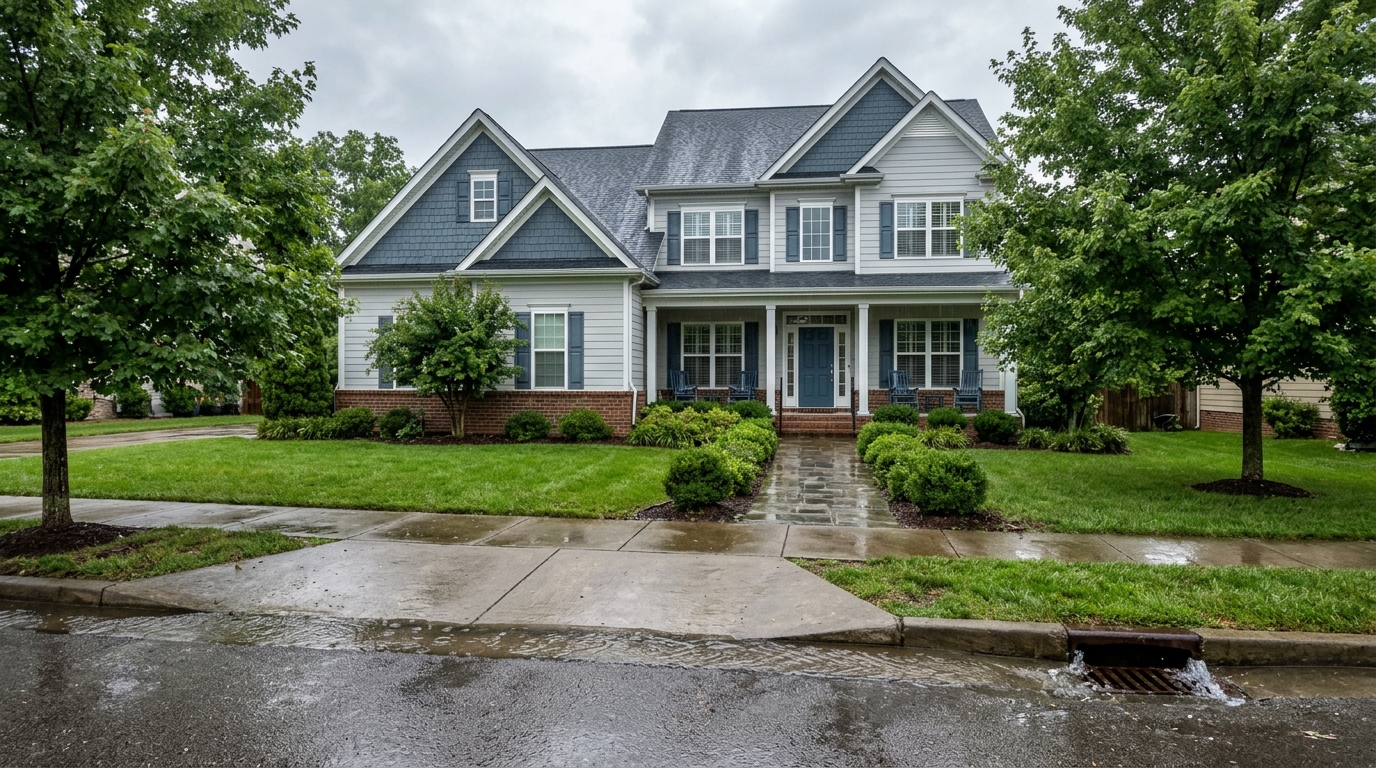
Standard homeowners insurance generally does not cover damage caused by flooding. That can be an important distinction for homeowners and homebuyers in Hendersonville, Gallatin, Goodlettsville, Old...
Read more
Winter Home Prep: Simple Steps to Help Prevent Costly Damage
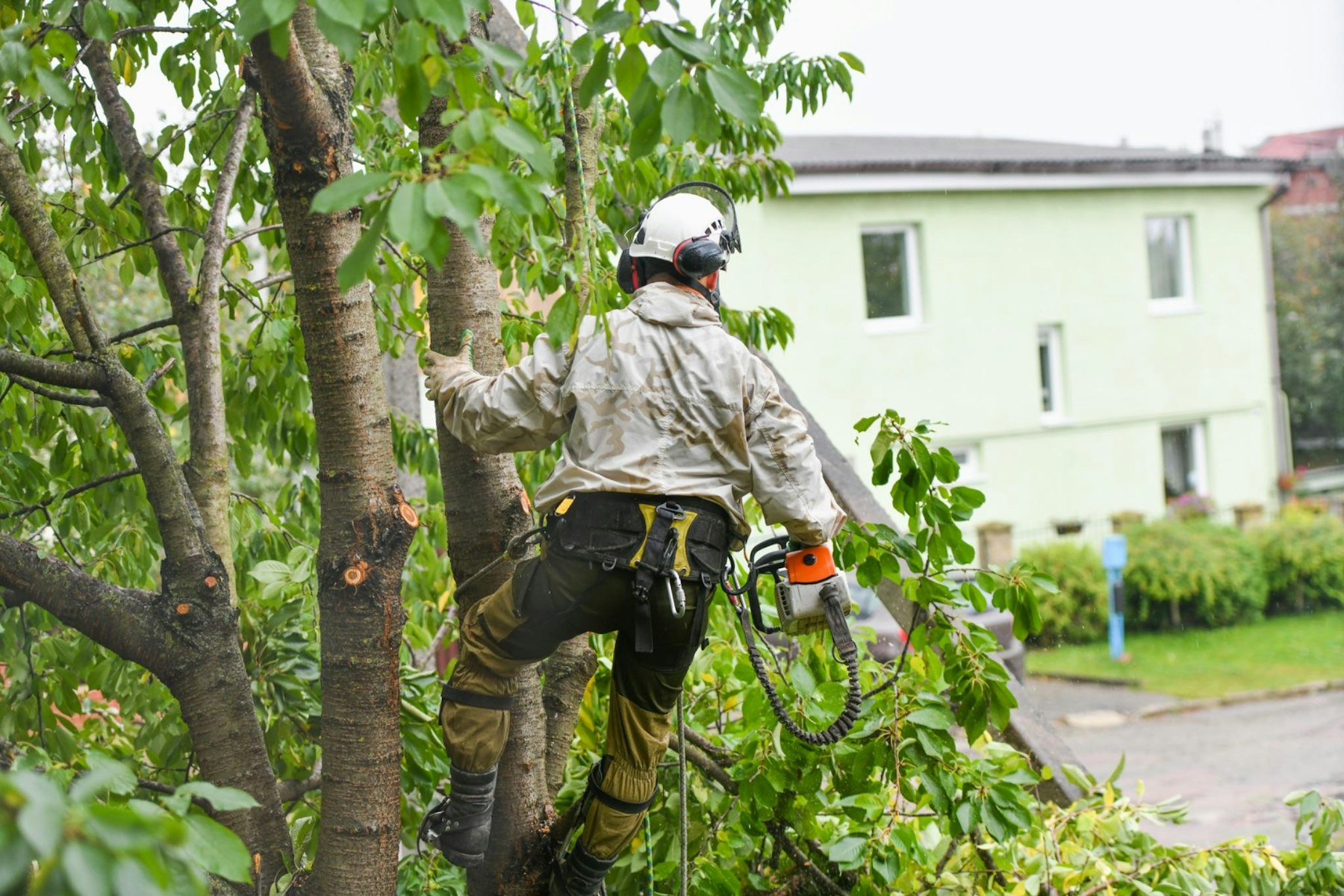
Winter weather can place added strain on a home with little warning. A mild day can quickly give way to freezing temperatures, snow, and ice, creating conditions that may lead to costly damage....
Read more

Deer Collision Safety Tips for Tennessee Drivers
As daylight fades earlier in the fall, deer activity increases across Tennessee—especially in wooded and rural areas throughout Sumner County and the Nashville metro region. This seasonal shift...
Read more

Understanding the Growing Risk of Ransomware for Businesses
Ransomware has become a major concern for businesses of every size, especially as attacks grow more frequent and more damaging. Organizations across the Nashville metro area and throughout...
Read more

When Rising Income Signals It’s Time to Revisit Life Insurance
Many people buy life insurance with the goal of protecting the people they care about most. But as the years pass, it’s easy to leave a policy unchanged even while your income, daily needs, and...
Read more
Does Car Insurance Cover the Driver or the Vehicle
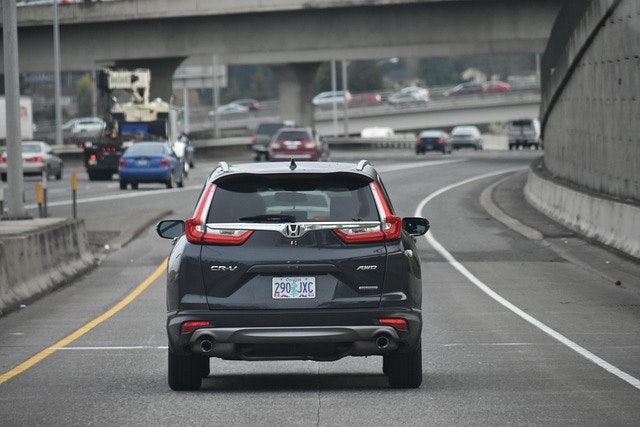
Quick Summary: In most situations, auto insurance is tied to the vehicle, not the person driving it. That means the car owner’s policy is typically the first to respond after an accident. However,...
Read more
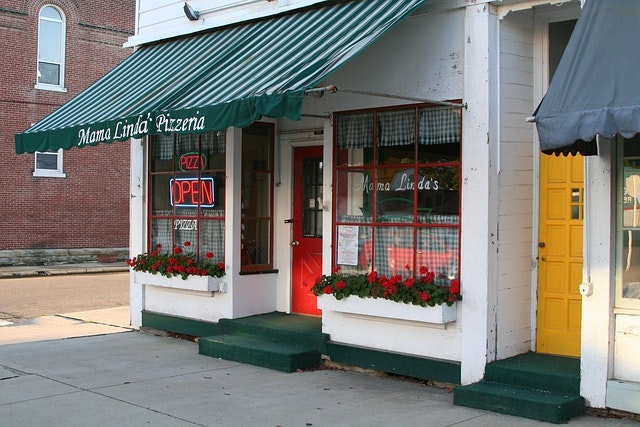
When Business Growth Outpaces Insurance Coverage
Growth is exciting for any business, and it often signals that your efforts are paying off. As your customer base expands and your operations evolve, it’s easy to focus on the positives while...
Read more

Got a Raise Review Your Life Insurance Coverage
Quick Summary: A raise or promotion is a major financial milestone, but it can also shift your responsibilities and long-term goals. As your income grows, your life insurance coverage should...
Read more

Equipment Breakdown Coverage Explained for Businesses
Quick Summary: Equipment breakdown coverage helps businesses handle the financial impact of sudden mechanical or electrical failures. From HVAC systems to production machinery, these unexpected...
Read more

Backyard Liability Risks With Pools And Trampolines
Adding a pool, trampoline, or playset can make your backyard the go-to gathering spot during Tennessee summers—but it also increases your exposure to liability. If someone gets hurt on your...
Read more

Smart Summer Home Prep Tips for Tennessee Homes
Quick Summary: Preparing your home for summer is one of the simplest ways to protect your comfort, reduce unexpected repair costs, and maintain long-term property value. Warmer temperatures,...
Read more

Why Travel Insurance Is Essential for Summer Trips
Quick Summary: Summer travel is exciting, but it also comes with higher risks like delays, cancellations, and unexpected expenses. Travel insurance helps protect your financial investment and...
Read more

Pre-Summer Event Insurance Tips for Tennessee Hosts
Quick Summary: As summer approaches across Middle Tennessee, event organizers and hospitality businesses face a surge in activity—and risk. From securing accurate certificates of insurance to...
Read more

A Fresh Look at Insuring Your Summer Toys Before Adventure Season Starts
As warm weather rolls in, summer plans tend to come together quickly. One weekend you’re scheduling a lake trip, and before you know it, you’re loading up the trailer, checking the fuel, and...
Read more

Why Life Insurance Makes a Smart Graduation Gift
Quick Summary: Graduation is a major milestone, and while traditional gifts offer short-term excitement, life insurance provides long-term value. Starting a policy early can help secure lower rates...
Read more

The Hidden Dangers of Being Underinsured as a Small Business
Read more
Spring Safety Risks for Outdoor Teams: Straightforward Tips for Business Owners
Spring is a popular time for businesses to ramp up outdoor projects and give their properties a fresh start. But as the weather improves, several seasonal hazards crop up that can lead to injuries,...
Read more

Distracted Driving Awareness Month: Easy Habits to Help You Stay Safer on the Road
April marks Distracted Driving Awareness Month, making it an ideal time to reflect on how we behave behind the wheel. Many crashes happen not because of road conditions, but because a driver loses...
Read more

Life Insurance and Financial Literacy: Key Insights to Strengthen Your Financial Confidence
April is Financial Literacy Month, making it the perfect time to take a closer look at your overall financial health. Part of that picture includes understanding your life insurance coverage. While...
Read more

Smart Add-Ons: Commercial Insurance Riders That Can Strengthen Your Coverage
As your company evolves, your insurance should evolve right along with it. A standard commercial policy covers many common risks, but it rarely offers protection for every scenario your business...
Read more

8 Common Insurance Myths That Could Leave You Unprotected
Debunking Day arrives every March 11th, making it the perfect opportunity to clear up some confusion around home and auto insurance. Many people make decisions based on assumptions or outdated...
Read more

Accelerated Death Benefit Riders: A Financial Safety Net When You Need It Most
When most people think about life insurance, they picture financial protection for their loved ones after they’re gone. But many policies offer a powerful feature that can provide help much sooner....
Read more

Spring Safety Reminders for Commercial Drivers
As winter fades and the warmer months arrive, commercial drivers begin to face a new mix of seasonal road challenges. While spring is a welcome shift, it also introduces brighter sunlight,...
Read more

Smart Add-On Benefits to Strengthen Your Health Insurance Coverage
It’s common for people to realize after open enrollment that their health insurance doesn’t cover everything they need. Maybe an unexpected bill pops up, or you discover your plan doesn’t include...
Read more

6 Important Spring Driving Safety Tips for a Safer Season
As winter finally loosens its grip and the temperature begins to warm up, it’s tempting to assume that road conditions will naturally get easier. But spring has its own mix of hazards that can...
Read more

Why Personal Umbrella Insurance Deserves a Fresh Look This Year
March marks National Umbrella Month, and while it may sound like a nod to rainy weather, it’s really a reminder to revisit an often-misunderstood financial tool: personal umbrella insurance. Many...
Read more

Why Commercial Umbrella Insurance Is Becoming Essential for Businesses
March marks National Umbrella Month, making it an ideal moment to shine a light on a type of protection many business owners tend to overlook: commercial umbrella insurance. You may already have...
Read more

Common Small Business Insurance Questions: What Every Owner Should Know
Understanding Small Business Insurance: What Owners Ask MostRunning a small business means juggling endless decisions, and insurance is often one of the most confusing pieces of the puzzle. Whether...
Read more

A Fresh Look at Long‑Term Care Riders and How They Strengthen Your Life Insurance
Planning for the future isn’t just about building assets — it’s also about making sure those assets are protected when life throws curveballs. While many people understand the importance of life...
Read more

Heart Health and Medicare: What You Need to Know This American Heart Month
February marks American Heart Month—a national reminder to prioritize the well-being of one of your most vital organs. While it’s common to see people wearing red in support, this month is also an...
Read more
How to Protect Your Valentine’s and Presidents’ Day Purchases
February may be the shortest month of the year, but it often comes with some of the biggest purchases. From Valentine’s Day jewelry and special gifts to the major discounts offered during...
Read more

Why Your Landlord’s Insurance Doesn’t Cover Your Belongings—or Your Liability
Quick Summary: Renters insurance protects your personal belongings, covers your liability if someone gets hurt in your space, and pays for temporary living costs if your rental becomes...
Read more

6 Key Insurance Risks Businesses Should Prepare for in 2026
As 2026 gets underway, organizations of all sizes are navigating a landscape that feels more uncertain than ever. Legal pressures, climate-related events, and fast‑evolving cyber threats are...
Read more

Essential Home Insurance Riders You Might Be Missing
Many homeowners believe their insurance policy covers just about everything, only to discover during a claim that key risks require extra protection. These optional add-ons — often called riders,...
Read more

Heart Health Myths Debunked: Essential Facts for American Heart Month
February marks American Heart Month, a national reminder to pay attention to the organ that fuels every movement, thought, and breath. Heart disease continues to be the number one cause of death in...
Read more
View more